Why Are My Gums Bleeding When I Brush? What Your Dentist Wants You to Know
Have you ever noticed a little blood in the sink after brushing or flossing your teeth? It's easy to dismiss, especially if your gums don't hurt. But bleeding gums can be an early warning sign that your oral health needs attention.
While occasional gum bleeding can happen for different reasons, healthy gums generally shouldn't bleed during normal brushing or flossing.
At Westover Dentistry in Richmond, VA, we help patients understand changes in their oral health and take steps toward healthier teeth and gums. If you've been noticing bleeding when brushing, here's what you should know.
What Causes Gums to Bleed When Brushing?
Bleeding gums can have several causes, ranging from brushing too aggressively to inflammation caused by plaque buildup.
Some of the most common reasons include:
- Plaque buildup: Bacteria in plaque can irritate the gums and lead to inflammation.
- Gingivitis: This early stage of gum disease often causes redness, swelling, and bleeding.
- Brushing too hard: Using excessive pressure or a hard-bristled toothbrush can irritate gum tissue.
- Inconsistent flossing: Inflamed gums may bleed when you begin cleaning between your teeth regularly.
- Certain medications: Blood thinners and some other medications can contribute to bleeding or affect gum health.
- Underlying health conditions: Certain medical conditions and nutritional deficiencies may also contribute to gum bleeding.
Because several factors can cause similar symptoms, a dental examination can help identify what's happening.
Is It Normal for Your Gums to Bleed Every Day?
No. Frequent gum bleeding shouldn't be considered a normal part of brushing or flossing.
One of the most common causes of persistent bleeding is gingivitis, which develops when plaque accumulates along the gumline.
Other symptoms may include:
- Red or swollen gums
- Tenderness when brushing
- Persistent bad breath
- Bleeding when flossing
- Changes in gum appearance
The encouraging news is that gingivitis is often reversible with appropriate professional care and improved daily oral hygiene.
However, untreated gum inflammation can progress into more serious periodontal disease..
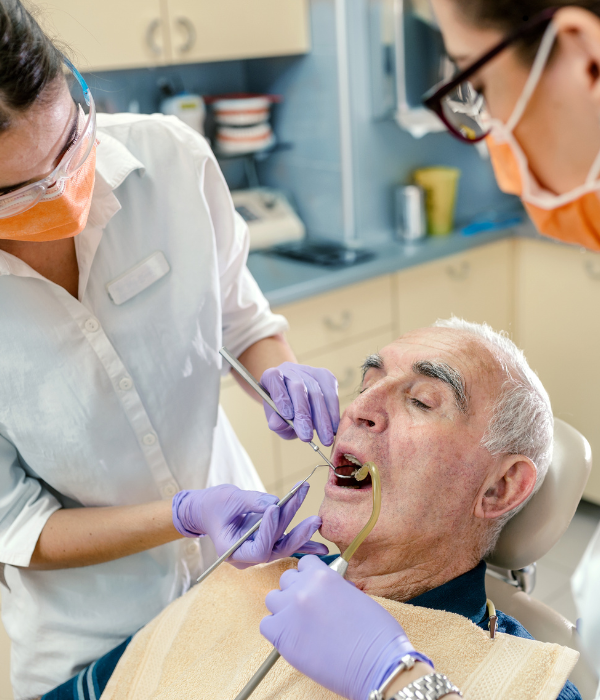
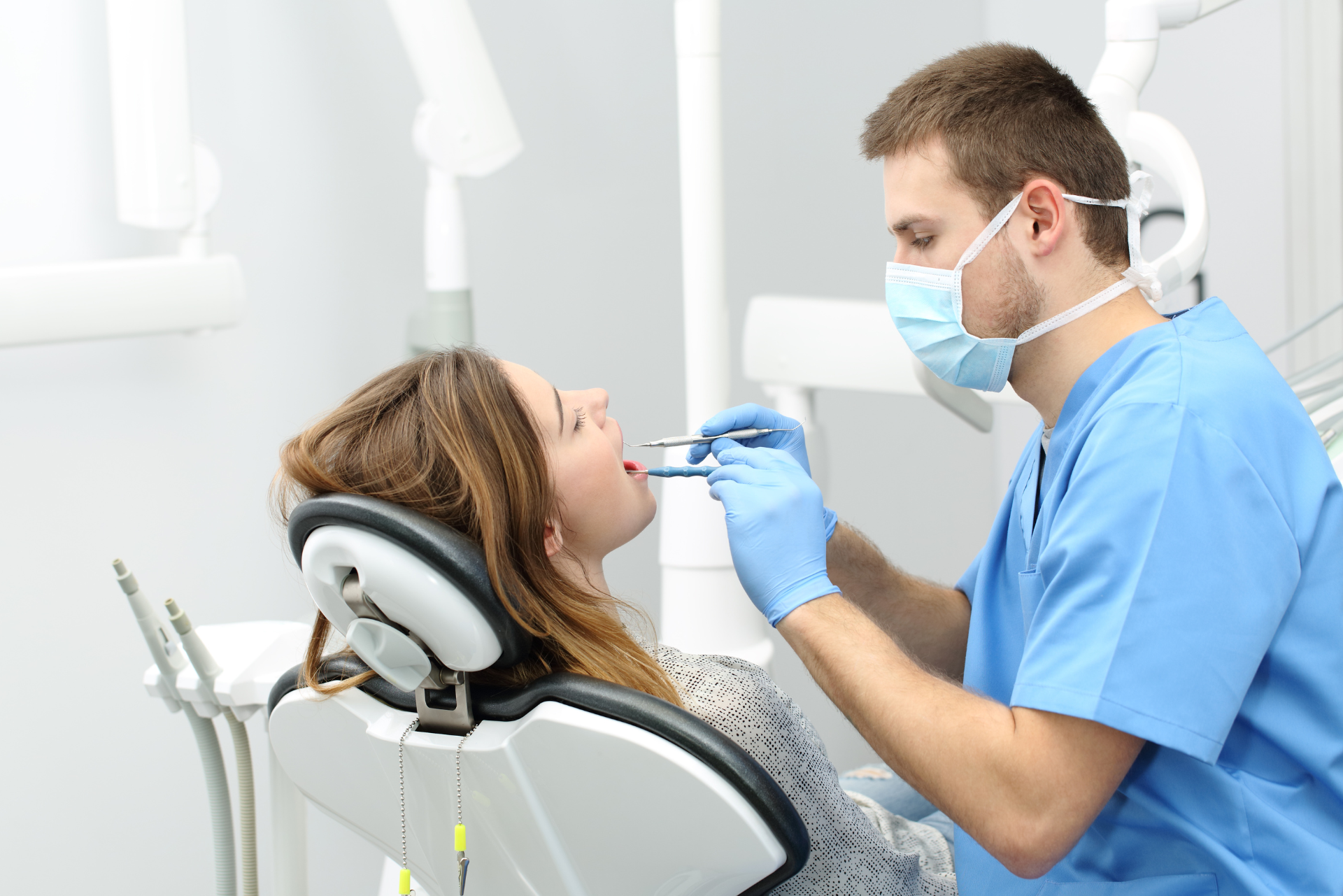
What Happens During a Routine Dental Checkup?
A routine dental appointment involves more than simply looking for cavities.
Depending on your needs, your visit may include:
1. A Comprehensive Dental Examination
Your dentist evaluates your teeth, gums, bite, and existing dental restorations. The goal is to identify concerns and monitor changes in your oral health.
2. Professional Teeth Cleaning
A dental hygienist removes plaque and tartar buildup that regular brushing and flossing cannot fully eliminate. Professional cleanings help support healthy teeth and gums.
3. Gum Health Evaluation
Your dental team checks for signs of gum inflammation, recession, and periodontal disease. Healthy gums are essential to maintaining healthy teeth.
4. Dental X-Rays When Needed
Dental X-rays may be recommended based on your symptoms, dental history, and risk factors.
They can help identify concerns that aren't visible during a routine examination.
5. Personalized Dental Recommendations
Before your appointment ends, your dental team can discuss your oral health, answer questions, and recommend any necessary follow-up care.
What's the Difference Between Gingivitis and Gum Disease?
Gingivitis is the earliest stage of gum disease. It affects the gum tissue and causes inflammation without the bone loss associated with periodontitis. Periodontitis is a more advanced condition that can damage the tissues and bone supporting your teeth.
Signs of more advanced gum disease may include:
- Receding gums
- Persistent bleeding
- Loose teeth
- Changes in how your teeth fit together
- Deep pockets around the teeth
- Discomfort when chewing
Unlike gingivitis, damage caused by periodontitis isn't always reversible.
Early evaluation is important because gum disease can sometimes progress without significant pain.
What If You Haven't Been to the Dentist in Years?
If it's been a while since your last dental appointment, you aren't alone. People postpone dental visits for many reasons, including busy schedules, dental anxiety, financial concerns, or simply not experiencing symptoms.
But waiting longer doesn't necessarily make the next appointment easier.
If you're returning to dental care after an extended break, your first visit is an opportunity to understand your current oral health.
Your dentist can evaluate your teeth and gums, discuss any concerns, and help you establish a realistic plan for moving forward.
At Westover Dentistry, our goal is to help patients feel informed and comfortable throughout their dental care experience.
Schedule Your Appointment at Westover Dentistry
Bleeding gums may seem like a small concern, but they can be an important signal about your oral health.
If you've noticed bleeding while brushing or flossing, don't wait until the problem becomes uncomfortable.
The team at Westover Dentistry can evaluate your gums, discuss possible causes, and recommend appropriate next steps.
Contact Westover Dentistry to arrange your next appointment with our Richmond dental team.
📍 7017 Old Jahnke Road Richmond VA
📞 (804) 320-7147
📧 receptionist@richmonddentist.net